Operational Focus and Sectors
MGC (Pty) Ltd and its entities are operating mainly in three (3) focus areas which require urgent reform initiatives:
i. Agriculture Food Systems,
ii. Land and
iii. Water Resources Management.
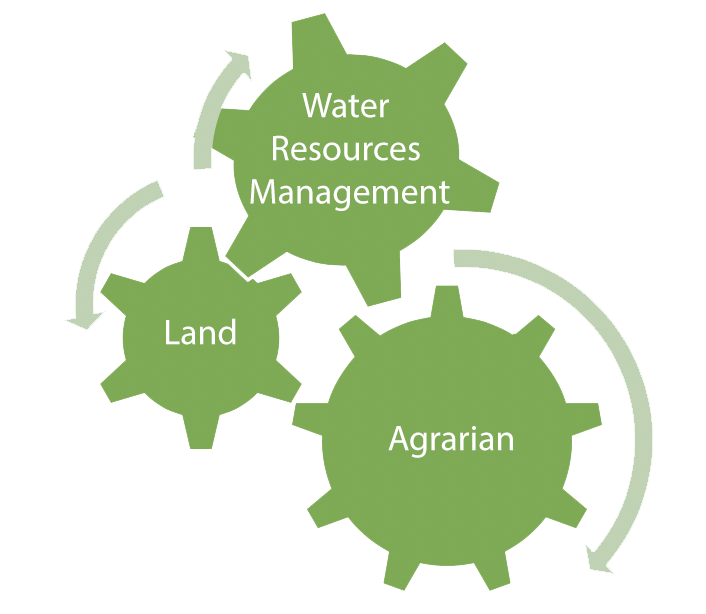
MGC (Pty) Ltd and its entities are operating mainly in three (3) focus areas which require urgent reform initiatives:
i. Agriculture Food Systems,
ii. Land and
iii. Water Resources Management.
To transform its rural economies, South Africa must embark on agricultural industrialization and add value to all its agricultural commodities. Value chains in agriculture, with their range of activities and set of actors, are supported to bring agricultural products from production in the field to the fork to offer pro-poor opportunities for growth. At each stage value is added to the products. For commercialization, those markets in which smallholder and emerging farmers can have a “comparative advantage” will be identified and the producers actively assisted to access them. The accompanying food system is supported to ensure agriculture is delivering positive nutrition and health outcomes (i.e. nutrition-sensitive agriculture) while being climate-smart.

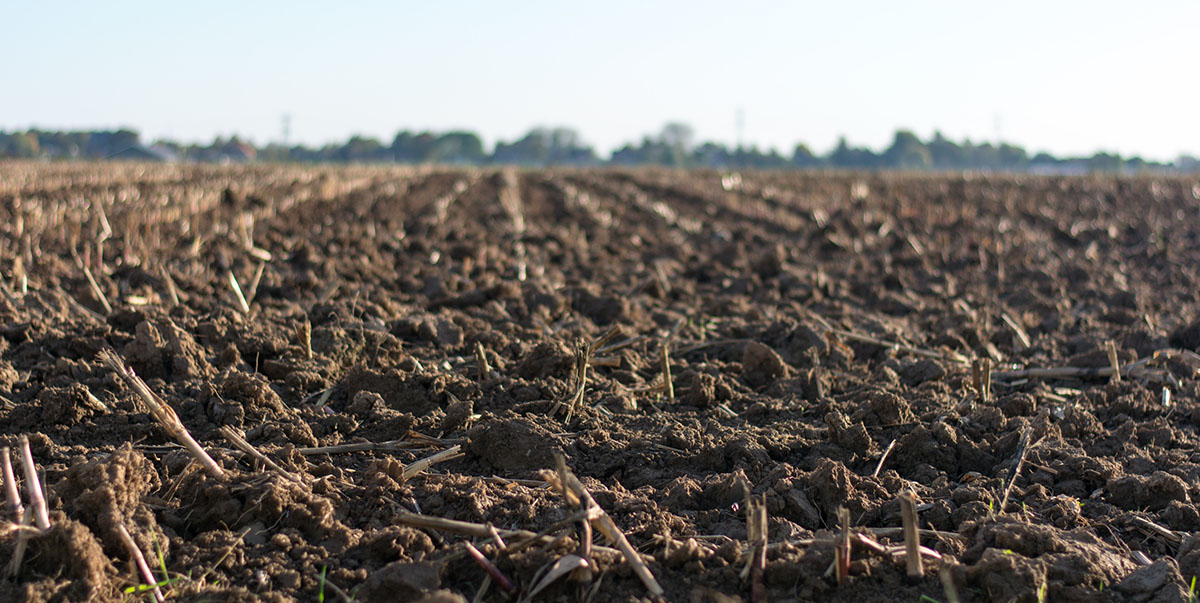
In South Africa, land reform (including agrarian reform) is an active priority in undoing the legacy of colonialism and apartheid. Its main purpose is to ensure that previously disadvantaged people and farm workers are included in agrarian development and own their own land so as to participate in agriculture and by default, contribute to the growth of the national and provincial economy. Therefore, Government should be supported in (i) changing related policies, laws and regulations regarding land ownership; (ii) designing (i.e. with planning that eases the start-up phase) and implementing accompanying programmes and projects; and (iii) ensuring that there is proper monitoring, evaluation and documentation of learning. Research-based policy advice to relevant structures of agriculture and rural development is key.
Based on the political, social and economic context, there is an urgent need to reform water resources governance and management (e.g. pricing, allocation and use) in South Africa. There is extreme dualism in South Africa’s water use and allocation. The portions of licences held by black smallholders, who are largely subsistence farmers, are offset by a relatively small number of large, highly capitalised and mostly white-owned commercial (large-scale) farms. Also, in a few cases water rights tied to land under claim were sold, leaving an asset of lesser value. There is a need to (i) facilitate legal access to water by smallholder and emerging farmers, (ii) develop water services infrastructure (e.g. small-scale irrigation schemes), (iii) strengthen the catchment management agencies and their governance, (iv) ensure gender mainstreaming, and (v) support water information systems.
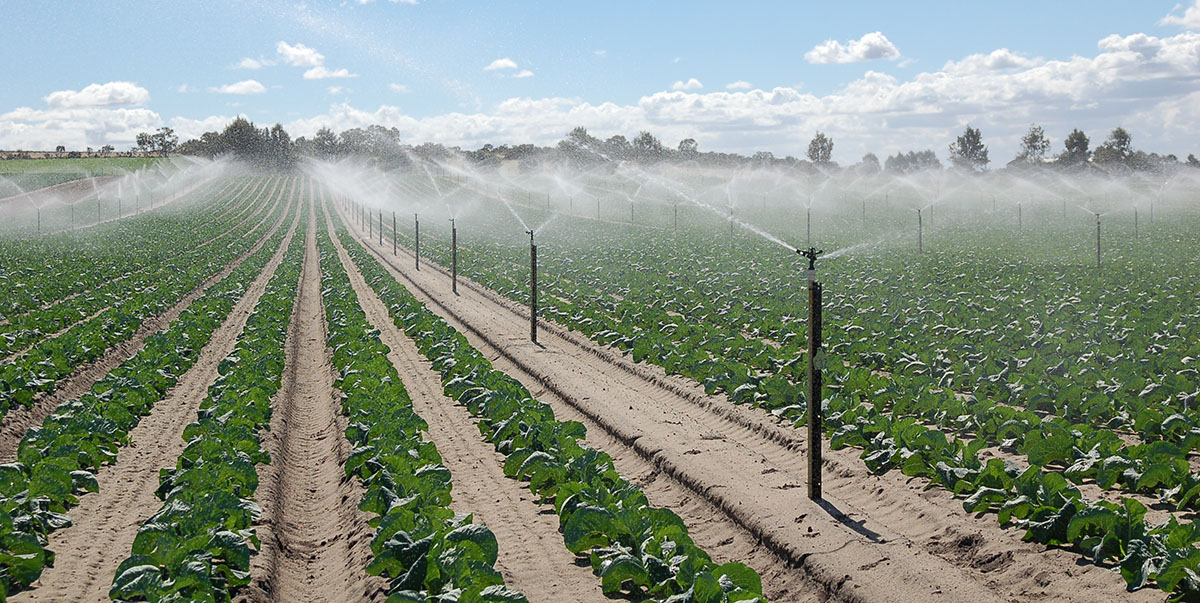
The underpinning and guiding primary operational question, is “what is it MGC (Pty) Ltd can do for (i) Agriculture Food Systems, (ii) Land and (iii) Water Resources agriculture food systems approach, like in this diagram. Management to build sustainable livelihoods?”. To remain focused in answering this question, MGC (Pty) Ltd is guided by the

An agriculture food system includes all processes and infrastructure involved in feeding a population: growing, harvesting, processing, packaging, transporting, marketing, consumption, and disposal of food and food-related items. It also includes the inputs needed and outputs generated at each of these steps. A food system operates within and is influenced by social, political, economic and environmental contexts. It also requires human resources that provide labour, research and education. These include livestock (e.g. breeding, health, nutrition and general management); crops (e.g. soil health, water management, climate change); horticulture; and aquaculture.